


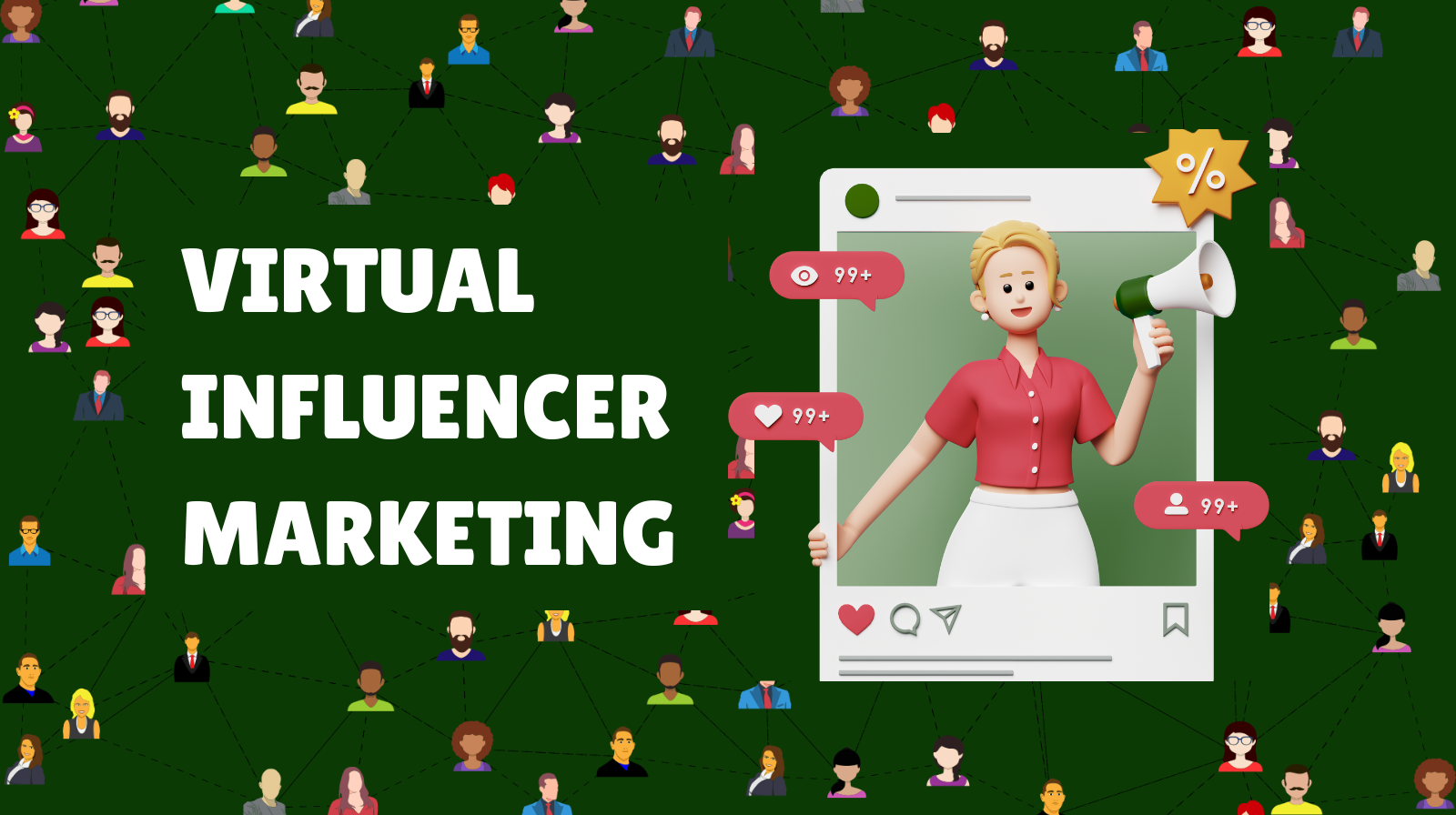
The Rise of Virtual Influencer Marketing in Modern Branding
Virtual Influencer Marketing is no longer a futuristic concept—it is already transforming how brands communicate, engage audiences, and build trust in the digital ecosystem. As social media evolves and consumer behavior shifts toward immersive and interactive experiences, brands are actively seeking innovative storytelling methods. Virtual influencers, powered by artificial intelligence, computer-generated imagery (CGI), and advanced digital modeling, have emerged as a powerful branding tool that combines creativity, data, and technology.
Unlike human influencers, virtual influencers are digitally created personalities designed to represent brand values, aesthetics, and narratives with absolute precision. They never age, never face scandals, and can be available 24/7 across global platforms. For brands operating in highly competitive digital landscapes, Virtual Influencer Marketing offers complete creative control, consistent messaging, and limitless scalability.
In this comprehensive guide, we will explore how Virtual Influencer Marketing works, why brands are adopting it at scale, its advantages, challenges, ethical implications, future trends, and its long-term impact on the branding ecosystem. This article is structured to deliver practical insights, strategic depth, and SEO-friendly content suitable for enterprise-level marketing strategies.
What Is Virtual Influencer Marketing?
Virtual Influencer Marketing refers to the strategic use of computer-generated digital characters to promote brands, products, or ideologies through social media and digital platforms. These influencers behave like real humans—posting photos, sharing stories, engaging in conversations, and even participating in brand collaborations—while being entirely virtual.
Virtual influencers are developed using advanced 3D modeling, animation software, artificial intelligence, and storytelling frameworks. They are often managed by creative studios, AI startups, or in-house brand teams. Because they are fictional yet realistic, brands can design their personality traits, opinions, tone of voice, and visual style to perfectly align with marketing objectives.
From fashion and beauty to technology and entertainment, Virtual Influencer Marketing is being adopted across industries due to its ability to deliver consistent, brand-safe, and hyper-targeted messaging.
Evolution of Influencer Marketing: From Humans to Digital Avatars
Influencer marketing initially revolved around celebrities and bloggers who had a loyal following. Over time, micro-influencers and niche creators gained importance due to higher engagement rates and authentic connections. However, as the creator economy expanded, challenges like influencer fraud, brand misalignment, inconsistent behavior, and campaign unpredictability became more prominent.
Virtual Influencer Marketing emerged as a solution to these challenges. With virtual influencers, brands eliminate risks related to reputation damage, scheduling conflicts, or value mismatches. These digital personas are fully controlled, making long-term branding strategies more predictable and measurable.
This shift does not replace human influencers entirely but introduces a parallel, technology-driven ecosystem where brands can experiment, innovate, and scale without limitations.
How Virtual Influencers Work: Technology Behind the Concept
Virtual Influencer Marketing relies on a combination of cutting-edge technologies that work together to create realistic digital personalities.
Key Technologies Powering Virtual Influencers
| Technology | Role in Virtual Influencers |
|---|---|
| CGI & 3D Modeling | Creates realistic facial features, body movements, and environments |
| Artificial Intelligence | Enables adaptive responses, content generation, and behavioral learning |
| Machine Learning | Analyzes audience behavior to optimize engagement strategies |
| Motion Capture | Adds human-like gestures and expressions |
| Natural Language Processing | Enables conversational abilities and storytelling |
These technologies allow virtual influencers to interact with audiences in real-time, respond to comments, post relevant content, and adapt their digital persona based on audience feedback and analytics.
Why Brands Are Investing in Virtual Influencer Marketing
Brands worldwide are allocating significant budgets toward VIM due to its unmatched strategic advantages.
Key Reasons Brands Prefer Virtual Influencers
-
Complete creative control over messaging and appearance
-
Zero risk of personal controversies or scandals
-
Cost efficiency over long-term campaigns
-
24/7 content availability across time zones
-
Seamless integration with metaverse and Web3 platforms
By eliminating unpredictability, Virtual Influencer Marketing allows brands to maintain consistency, protect reputation, and execute globally scalable campaigns.
Advantages of Virtual Influencer Marketing for Branding
1. Brand Safety and Consistency
One of the biggest advantages of VIM is brand safety. Human influencers can change opinions, get involved in controversies, or violate contracts. Virtual influencers follow predefined guidelines, ensuring consistent tone, values, and messaging across all campaigns.
2. Hyper-Personalized Brand Storytelling
Virtual influencers can be programmed to resonate with specific audience segments. Their content style, fashion choices, language, and lifestyle can be customized for regional or demographic targeting, making branding more precise and impactful.
3. Long-Term Cost Efficiency
Although the initial development cost of a virtual influencer can be high, the long-term return on investment is significantly better than hiring multiple human influencers repeatedly. Virtual Influencer Marketing becomes more cost-effective as campaigns scale.
Industries Successfully Using Virtual Influencer Marketing
VIM is being widely adopted across multiple industries.
Top Industries Using Virtual Influencers
-
Fashion and luxury brands
-
Beauty and skincare companies
-
Gaming and esports
-
Technology and AI startups
-
Entertainment and music labels
Luxury fashion brands, in particular, leverage virtual influencers for digital fashion shows, NFT promotions, and metaverse experiences.
Virtual Influencers vs Human Influencers: A Strategic Comparison
| Aspect | Virtual Influencers | Human Influencers |
|---|---|---|
| Brand Control | 100% controlled | Limited control |
| Scandals | None | Possible |
| Scalability | Unlimited | Limited |
| Authenticity | Perceived | Emotional |
| Longevity | Infinite | Limited |
Virtual Influencer Marketing excels in predictability and branding precision, while human influencers still dominate emotional storytelling. Many brands now use hybrid strategies to combine both.
Ethical Concerns in Virtual Influencer Marketing
As VIM expands, ethical questions arise regarding transparency, authenticity, and audience manipulation. Consumers deserve to know whether an influencer is real or virtual. Lack of disclosure can damage trust and brand credibility.
Brands must clearly label virtual influencers, avoid unrealistic beauty standards, and ensure ethical AI usage. Responsible implementation is essential for long-term sustainability.
Impact of Virtual Influencers on Consumer Psychology
Virtual influencers influence buying behavior by blending aspirational storytelling with digital perfection. Audiences often perceive them as less judgmental and more inclusive. However, brands must avoid creating unattainable ideals that harm mental well-being.
When used ethically, Virtual Influencer Marketing enhances engagement and emotional connection without exploiting consumer vulnerabilities.
The Future of Branding with Virtual Influencer Marketing
The future of VIM lies in deeper integration with emerging technologies.
Future Trends to Watch
-
Virtual influencers in the metaverse
-
AI-driven real-time interactions
-
Web3 and NFT-based influencer assets
-
Voice-enabled virtual brand ambassadors
-
Fully autonomous AI influencers
As digital identities become mainstream, virtual influencers will play a central role in immersive brand ecosystems.
How Brands Can Build a Successful Virtual Influencer Strategy
To succeed in VIM, brands must adopt a strategic approach focused on authenticity, transparency, and storytelling.
Best Practices
-
Clearly define brand values and influencer persona
-
Use data analytics for content optimization
-
Maintain transparency about virtual identity
-
Combine virtual and human influencer campaigns
-
Focus on long-term brand narratives, not short-term hype
A well-executed Virtual Influencer Marketing strategy can create sustainable brand equity and future-ready digital presence.
Conclusion: Virtual Influencer Marketing Is the Future of Branding
VIM represents a paradigm shift in how brands communicate, connect, and innovate. It merges creativity with technology, offering brands unprecedented control, scalability, and storytelling power. While challenges and ethical considerations exist, the benefits far outweigh the limitations when implemented responsibly.
As digital ecosystems evolve toward immersive and AI-driven experiences, Virtual Influencer Marketing will not just support branding—it will define it. Brands that adopt this approach today will lead the next generation of digital branding.
Read More: Common Mistakes to Avoid in Digital Marketing – Beginners Guide
This article explains Virtual Influencer Marketing in a very clear and practical way. The way AI, branding, and future trends are connected makes this a must-read for modern marketers.
Virtual Influencer Marketing is definitely shaping the future of branding, and this blog highlights both opportunities and challenges very well. Especially liked the section on brand control and ethics.
Great insights on how Virtual Influencer Marketing is evolving beyond hype into a strategic branding tool. The detailed breakdown makes it useful for brands planning long-term digital strategies.